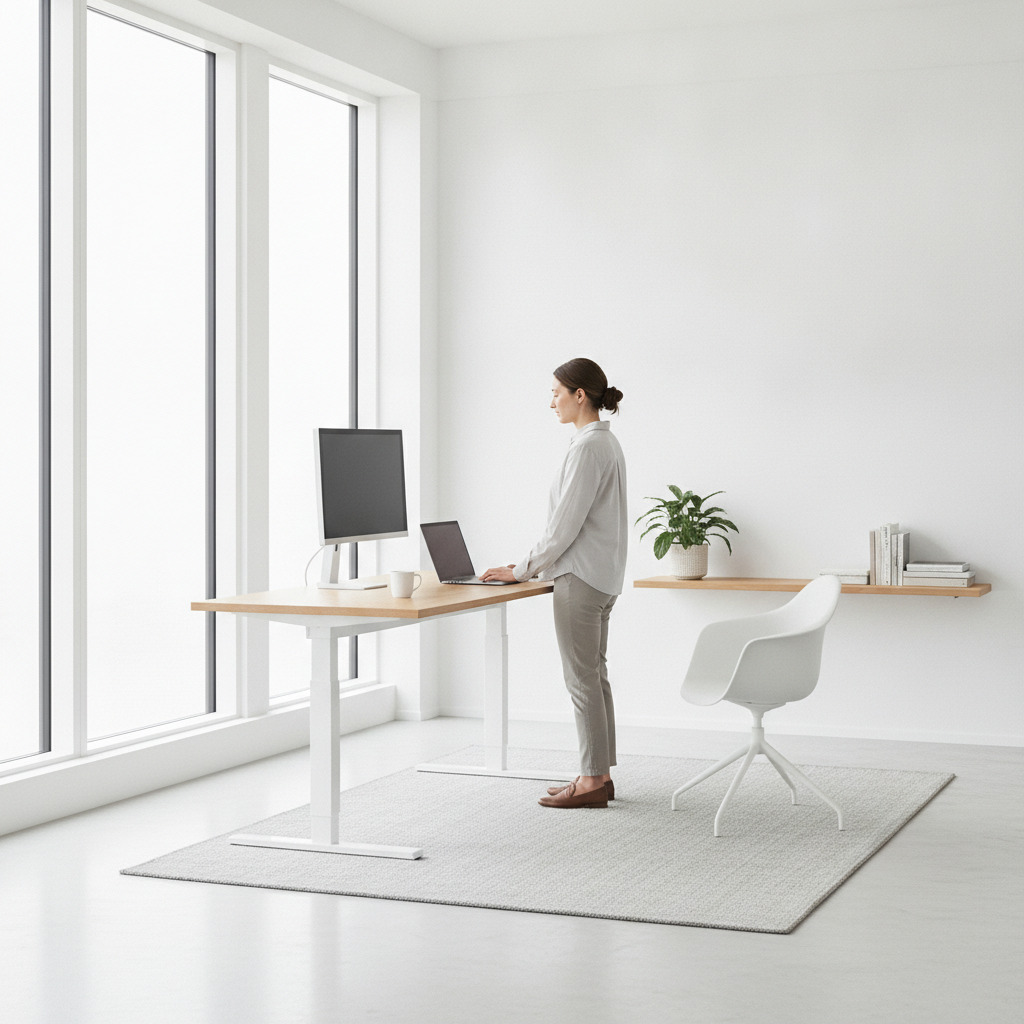
The main purpose of an office is to support the people in it as they do their jobs, ideally at minimum cost. But an office does far more than that. The way a space is designed and laid out can encourage people to talk to each other, spark new ideas, and send a clear message to staff and visitors about who you are as an organisation.
If you are thinking about changing your office, it helps to be clear on what you actually want to achieve. Here are nine objectives that shape almost every good office project.
1. Reduction of cost
Cost is a major driver in most projects. Office space is expensive and rarely used as fully as it could be. On average, workstations are physically occupied only around 60 percent of the time. Reducing wasted workspace brings down heating, power and maintenance costs too.
2. Increase flexibility
Closely tied to cost is the need for a flexible office. Organisations change structure and working practices constantly, and the building needs to keep up, with minimum cost and minimum disruption when those changes happen.
3. Improve productivity
The most important objective is also the hardest: improving productivity. At heart it is about getting more from your team while holding or reducing costs. There is a strong and growing case that a better working environment lifts employee performance rather than simply cutting overheads.
4. Encourage employee interaction
Interaction between people is critical to how well an organisation performs. Sharing information and knowledge improves teamwork, builds social cohesion and lets ideas cross-pollinate. The layout of the workplace plays a crucial role in whether that happens naturally or not at all.
5. Stimulate creativity
Creativity matters more than ever. Many businesses thrive on their ability to keep innovating, and creativity is the fuel for that. Once again, thoughtful layout and design make the difference, creating spaces that invite new ideas.
6. Express the company brand
Branding is about the image people hold of your organisation and what you offer. It has traditionally lived in logos, websites and advertising, but the physical workspace is a powerful branding tool in its own right, a showcase that speaks to everyone who walks through the door.
7. Attract and retain staff
For almost any business, attracting and keeping good people is essential. Good employment terms help, and so does the physical environment. Comfortable, attractive surroundings tell your team they are valued, and they make a strong impression on candidates too.
8. Support a change of company culture
Organisations invest heavily in reshaping their culture, and it is one of the toughest things to change because culture runs deep. Office design can be a genuinely powerful lever in that process, giving a cultural shift something visible to anchor to.
9. Reduce environmental impact
Office buildings have a big environmental footprint, both when they are built and while they are running. After transport and travel, buildings are the largest consumer of energy and a major source of greenhouse gas emissions, and they use significant water and generate considerable waste. Good office design can meaningfully reduce that impact.
Where to start
Most office projects touch several of these objectives at once, and the trick is knowing which ones matter most to you before you move a single desk. If you would like help planning a space around the goals that count for your business, contact Office Interiors Solutions on 02890 770019 or email pauline@officeinteriorsolutions.com.